Word Tracing Worksheets | Read and Trace: A Designer's Asset
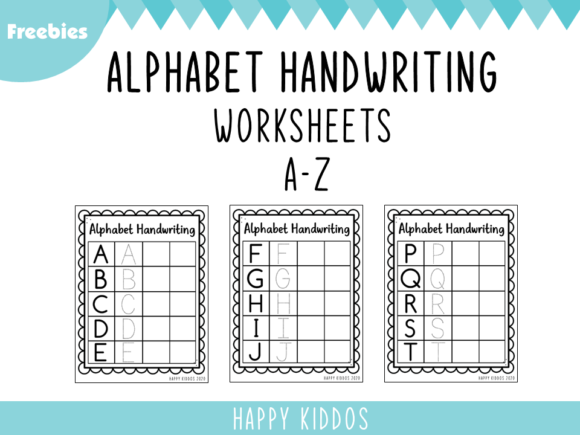
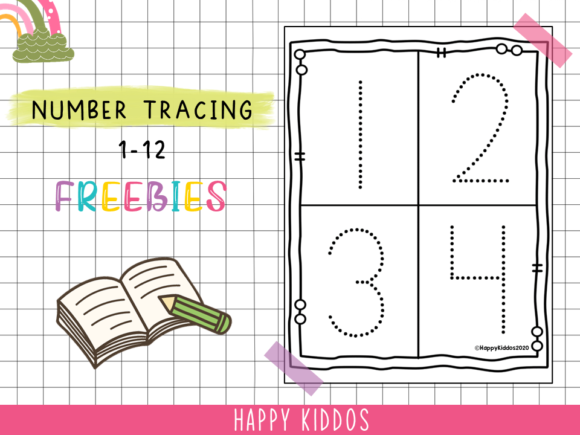
Effective design is about communication, and the foundation of clear communication often lies in the deliberate shaping of letters and words. For designers working on projects targeting early education, family branding, or playful aesthetics, integrating foundational literacy tools into your creative toolkit can add unique value and authenticity. The Word Tracing Worksheets | Read and Trace resource offers a practical, no-prep solution, providing 10 clean, black-and-white worksheets featuring 60 words designed to develop writing and reading skills through guided tracing.
Beyond Education: Visual Design Applications
While primarily an educational tool, the clean, minimalist nature of these worksheets presents interesting applications within broader graphic design and branding contexts. The act of tracing itself can be seen as a metaphor for precision and foundational skill-building—concepts that resonate in design workflows. For creatives, these assets can be repurposed or referenced to add a layer of tactile, human-centered design to various projects.
Practical Creative Integrations
Consider how the structured simplicity of word tracing can enhance different design domains:
- Brand Identity & Logo Design: The worksheet's focus on letterform construction can inspire custom typography or wordmarks for brands in the education, stationery, or children's product sectors. The traceable letters provide a clear baseline for developing legible, friendly typefaces.
- Packaging & Print Design: Incorporate tracing guides as a background texture or interactive element on packaging for educational kits, activity books, or artisanal stationery, enhancing the user experience with a hands-on component.
- Digital Marketing & Social Media Graphics: Use the worksheet aesthetic to create engaging "fill-in-the-blank" social media posts, interactive story templates, or downloadable lead magnets for audiences interested in learning, creativity, or parenting.
- UI/UX and Web Design: The clear, uncluttered layout of the worksheets can inform the design of user interfaces for educational apps or websites, emphasizing readability, intuitive navigation, and a welcoming visual hierarchy.
- Editorial & Presentation Design: Reference the worksheet's grid-like structure for creating organized layouts in reports, presentations, or editorial spreads that require a balance of text and interactive visual elements.
Evaluating and Implementing Design Assets
When selecting resources like the Word Tracing Worksheets | Read and Trace pack, evaluate them through a designer's lens. Consider these factors for seamless integration into your creative projects:
- Consistency and Scalability: The provided 8.5x11 inch, black-and-white PDF and JPEG files offer excellent scalability and consistency. The monochrome palette ensures compatibility with any color scheme and reduces printing costs, aligning with efficient design workflow principles.
- Readability and Visual Hierarchy: The worksheets are inherently designed for maximum legibility. Study their use of line weight, spacing, and simple composition to reinforce these principles in your own typography and layout work.
- Audience Alignment: This asset is perfectly suited for projects targeting children, educators, or markets valuing simplicity and tactile engagement. Its practical value is high for creating authentic, purpose-driven design in these niches.
- Creative Flexibility: As digital files, they can be easily edited, cropped, or layered into larger compositions. Use them as a base layer in a poster design, a template for custom worksheet creation, or a textural element in a collage.
Ultimately, thoughtful design choices are about matching the right visual language to your message and audience. Integrating foundational, high-quality assets like these tracing worksheets can bridge the gap between functional utility and creative expression. They provide a concrete starting point for developing polished, professional projects that communicate clearly and resonate on a human level, proving that even the most basic elements can inspire sophisticated design solutions.