Summer Color by Code Worksheets for Visual Learning
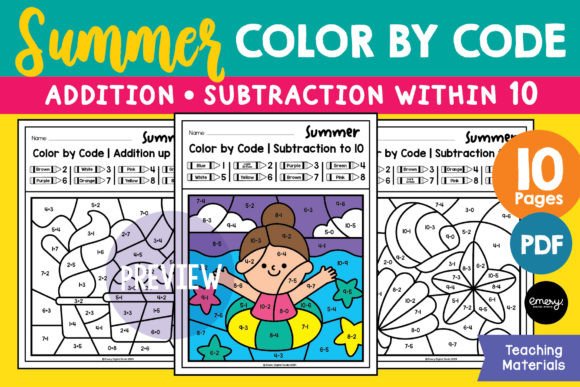
Transforming abstract math concepts into a tangible, visual experience is a cornerstone of effective educational design, and the Summer Color by Code Worksheets exemplify this principle perfectly. This resource isn't just a set of coloring pages; it's a carefully designed system that merges playful summer themes with structured math fact fluency practice. For designers, educators, and creators, it offers a masterclass in how visual hierarchy and thematic consistency can drive engagement and comprehension, turning routine practice into an interactive creative project.
From a visual design perspective, the power of these worksheets lies in their inherent structure. Each page is a miniature lesson in applied design principles, where color application is directly tied to cognitive function. The black and white PDF format is a deliberate choice, prioritizing clarity and print accessibility while placing the emphasis on the student's active role in completing the design. This approach mirrors the creation of a brand identity system, where core assets (the math problems) guide the final visual output (the colored image), ensuring consistency and reinforcing learning objectives.
Practical Applications in Modern Design Workflows
The methodology behind these worksheets extends far beyond the classroom, offering insights for various creative projects. The concept of a "code" that dictates visual elements is fundamental across design disciplines.
- Branding and Logo Design: Just as the answer to a problem dictates the color, a brand's core values should dictate its visual identity. These worksheets demonstrate how a simple rule system can produce a cohesive and recognizable result.
- Marketing and Social Media Graphics: The engaging, problem-solving nature of the activity is a fantastic model for interactive content. Applying this "color by code" logic to infographics or social media templates can boost user engagement and information retention.
- UI/UX and Web Design: The worksheets are a study in progressive disclosure and user feedback. Correct answers unlock visual rewards, a principle used in gamified interfaces and onboarding tutorials to guide users and confirm actions.
- Packaging and Editorial Design: The clear visual hierarchy—where instructions, problems, and coloring areas are distinct yet unified—provides a blueprint for creating layouts that are both beautiful and highly functional, guiding the viewer's eye effortlessly.
Evaluating and Implementing Creative Assets Effectively
When selecting resources like the Summer Color by Code pack, or any creative asset, a designer's eye should assess more than just surface appeal. Consider the underlying system and its adaptability to your specific design goals.
First, evaluate the consistency and scalability. The uniform 8.5x11 inch dimensions and PDF format ensure reliable output across different printers, much like a logo must scale from a favicon to a billboard. The black and white design is inherently flexible, allowing for customization if needed, similar to working with a monochrome brand palette before applying full color.
Second, analyze the visual hierarchy and readability. Effective worksheets, like effective web pages or posters, use space and layout to separate elements clearly. The separation of addition and subtraction problems into distinct sets mirrors the need for organized information architecture in a complex design, such as a brochure or a user dashboard.
Finally, think about integration and purpose. The best creative assets solve a specific problem. These worksheets solve the challenge of making repetitive math practice engaging. Similarly, a well-chosen typeface solves a legibility problem, and a curated color palette solves a branding consistency problem. Always align the asset's inherent purpose with your project's communication goal to ensure it enhances, rather than distracts from, the overall message.
Ultimately, resources like these Summer Color by Code Worksheets remind us that great design is fundamentally about communication and experience. By thoughtfully applying principles of visual hierarchy, thematic consistency, and user engagement, creators can develop materials that are not only aesthetically pleasing but also profoundly effective. Whether building a brand identity, designing a website, or creating educational materials, the deliberate fusion of form and function remains the key to impactful visual storytelling.