Mastering Visual Literacy: The Design Power of 120 Sight Words
In the realm of graphic design, clarity is not just a goal—it is the foundation of effective communication. The "120 Sight Words | Read, Trace, Write" resource exemplifies this principle by distilling language into its most essential, recognizable components. For designers, educators, and creators, understanding how to present core information with precision is a critical skill that translates directly into stronger branding, intuitive user interfaces, and compelling marketing materials.
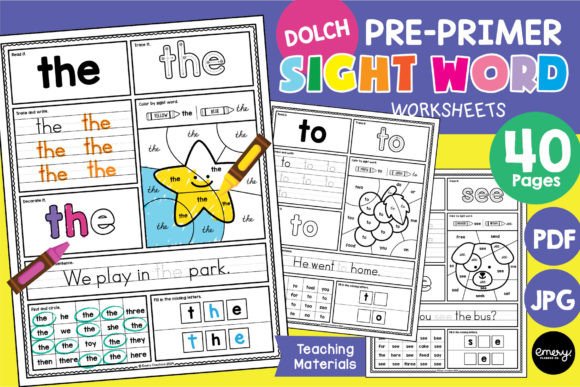
This collection of 120 foundational words, organized across 20 clean, black-and-white worksheets, offers more than a literacy tool. It is a masterclass in minimalist design, visual hierarchy, and functional typography. Each worksheet guides the user through a deliberate process: reading, tracing, and writing. This structured approach mirrors the best practices of user experience (UX) design, where guiding a user through a clear, logical flow leads to better engagement and retention.
The Anatomy of Effective Visual Communication
At its core, this resource demonstrates how to make information accessible. The design choice to use a simple, uncluttered layout with a monochromatic palette ensures that the focus remains entirely on the content—the words themselves. This is a powerful lesson for any designer working on projects where message clarity is paramount, such as infographics, instruction manuals, or brand guidelines.
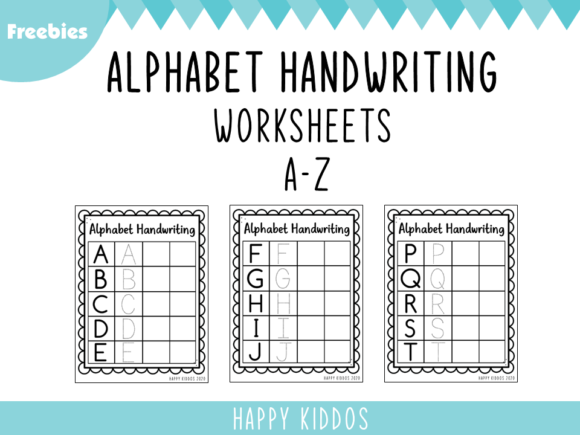
Consider the role of typography in this context. The letterforms used for tracing and writing are likely clean, sans-serif, and highly legible. This selection isn't arbitrary; it's a strategic decision to prioritize readability over decorative flair, a key consideration in UI design for buttons, menus, and body text, or in packaging design where essential information must be scanned quickly.
Practical Applications Across Creative Disciplines
The principles embedded in the "120 Sight Words" worksheets can be adapted and applied to a wide array of professional projects. Here’s how this structured approach to fundamental elements can enhance your design workflow:
- Brand Identity Systems: Just as these worksheets build from individual letters to complete words, a strong brand identity is built from core elements—logo, color palette, typeface—into a cohesive system. Using a limited, well-chosen set of "sight words" or brand keywords can guide all visual and verbal communication, ensuring consistency.
- Marketing & Social Media Graphics: The worksheet's clear, step-by-step format is ideal for creating tutorial graphics, carousel posts, or educational content. Breaking down a complex process into simple, traceable steps can dramatically improve user comprehension and engagement on platforms like Instagram or LinkedIn.
- Editorial and Web Design: The concept of "read, trace, write" aligns with creating intuitive user flows and visual hierarchies. A website or magazine layout should first allow users to read and absorb key information (the header, the hero image), then trace a path to more detail (the body copy, the call-to-action), and finally "write" their own response (convert, subscribe, click).
- Digital Product and Presentation Design: For UI kits, slide templates, or educational apps, this resource is a direct asset. It provides a ready-made, print-ready component that can be integrated into larger creative projects aimed at literacy, learning, or foundational skill-building, saving valuable design time.
Evaluating and Implementing Foundational Design Assets
When selecting or creating resources like this, a designer should evaluate them through the lens of usability and scalability. The 8.5x11 inch dimension is a standard print format, but the underlying design principles must also work in a digital context. Key considerations include:
- Consistency: Does the asset maintain a uniform style, weight, and spacing? Consistency in design elements builds trust and professionalism, whether in a font family or a set of icons.
- Readability at Scale: Will the typography remain clear if the design is scaled down for a mobile screen or up for a poster? High-contrast, simple letterforms, as seen in these worksheets, are often the most versatile.
- Compatibility: Does the asset's style (here, clean black-and-white) align with your existing brand system or project aesthetic? A minimalist asset can often be adapted more easily into a variety of color schemes and styles.
Ultimately, the value of a resource like "120 Sight Words | Read, Trace, Write" lies in its demonstration of thoughtful, purpose-driven design. It reminds us that the most powerful creative work often stems from mastering the fundamentals. By focusing on clear communication, logical structure, and accessible presentation, designers and creators can produce work that not only looks polished but also achieves its primary goal: to connect, inform, and inspire action effectively. Investing in high-quality, well-structured creative assets is an investment in the clarity and impact of every project you undertake.